8 Useful Tips For a Road Trip Around Austria

Austria is one of those countries that’s perfect for a road trip. Everything is relatively close, but the landscapes change constantly.
One moment you’re next to a calm lake, the next you’re winding your way through the mountains or passing small Austrian villages you didn’t even plan to stop in.
What I personally love most is that you don’t need long driving days to see a lot. Even short routes feel scenic, and there’s always something along the way that makes you want to pull over.
At the same time, driving in Austria is very structured. Things are well organized, but also quite strict in certain areas. If you know what to expect, it’s incredibly easy. If you don’t, it’s also easy to run into small (and sometimes expensive) mistakes.
So before you hit the road, it helps to know a few local rules and practical tips. It makes the whole experience smoother, more relaxed, and honestly just more enjoyable.
(This post contains affiliate links, which means I receive a certain percentage of a sale if you purchase after clicking.)
1. Respect The Speed Limits
Speed limits in Austria are not suggestions. They are strictly enforced and checked very regularly, especially on highways and main roads.
In general, you’ll come across these limits:
- 130 km/h on highways (Autobahns)
- 100 km/h on rural roads
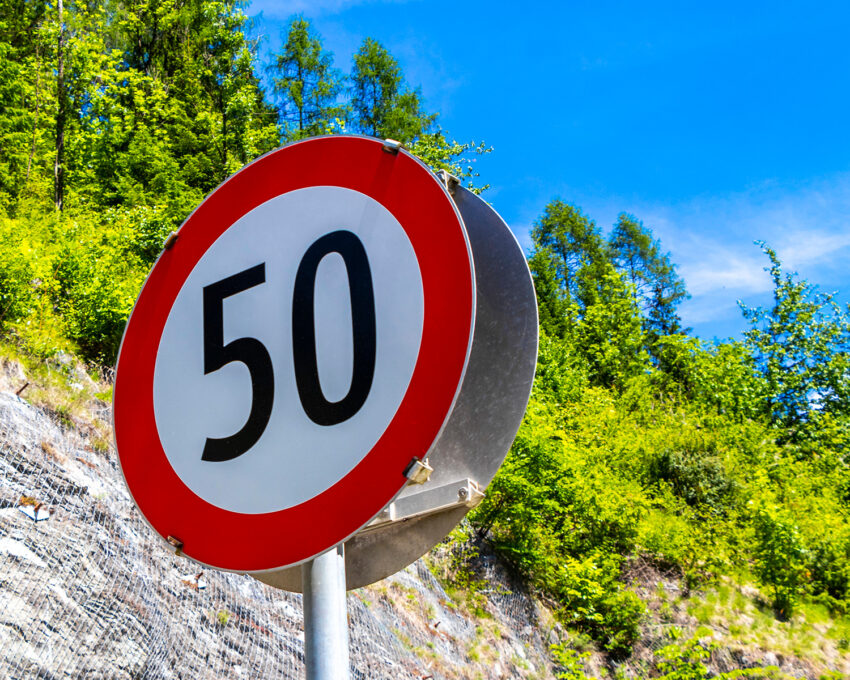
- 50 km/h in towns and villages
- Sometimes 30 km/h in residential or school areas
You’ll find fixed speed cameras, mobile police checks, and also average-speed sections on some highways. Even small overspeeds can lead to fines, so it’s worth paying attention, especially when entering towns.
2. Be Prepared For Winter Driving Rules
If you’re traveling between November 1 and April 15, winter tires are mandatory in Austria when winter conditions apply (such as snow, ice, or slush), even if it doesn’t feel like winter in the cities.
Most people here don’t switch back earlier anyway. The weather can change quickly, and even in April, it’s not unusual to get snow in some regions. I grew up on a small mountain, and we’ve definitely had heavy snowfall even at the end of April.
In practice, that means you can’t really rely on “good weather” in the mountains – conditions can change quickly within an hour.
In higher regions, you may also encounter fog, sudden snowfall, or icy patches, even when lower areas are dry. Rental cars are usually equipped for winter, but it’s always worth checking before you leave.
3. Don’t Forget The Vignette
To drive on Austrian highways, you need a vignette. It’s mandatory, and it’s something visitors forget more often than you’d think.
There are no toll booths, but cameras automatically check your license plate. If you don’t have one, you’ll get fined — simple as that.
I always recommend sorting it out before you start driving, and the easiest way is to pre-order a vignette for Austria online. That way, you don’t have to stop at a gas station and figure everything out during your trip.
Just keep in mind that some scenic mountain roads and tunnels have extra tolls, but those are always clearly marked.
4. Focus On One Or Two Regions
Austria may look small on the map, but driving takes longer than people expect, especially once you leave the highways. I always tell people not to try to see everything in one trip. You’ll spend more time in the car than actually enjoying the places.
It’s also why I don’t really recommend focusing only on the big cities like Vienna or Salzburg. Of course, they are beautiful and definitely worth visiting, but what really makes Austria special are the smaller places in between – the villages, the mountain roads, the lakes you suddenly pass, and the constantly changing scenery along the way.
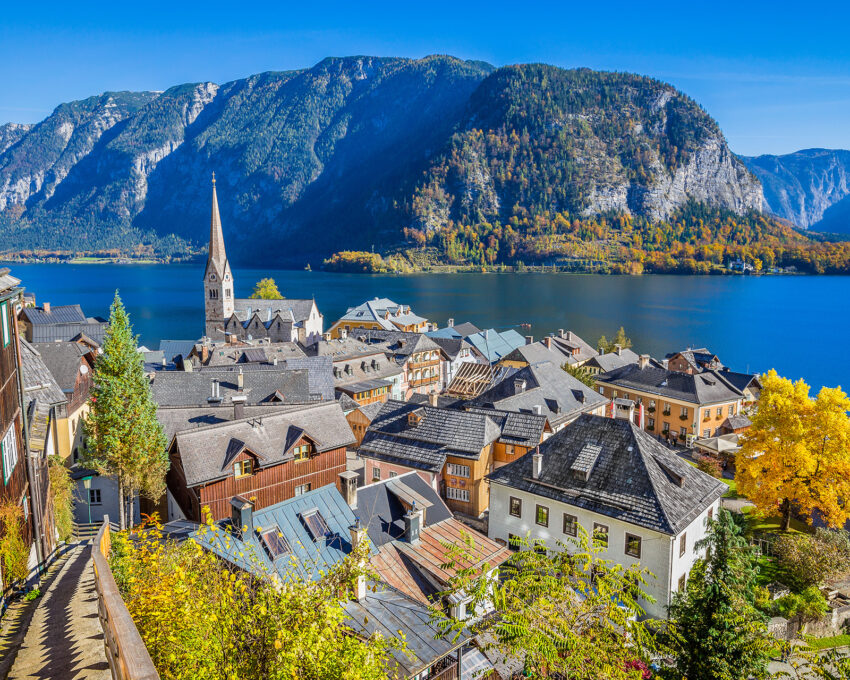
It’s much better to focus on one or two regions and actually take your time exploring them. Tyrol is perfect if you want proper alpine scenery and mountain roads, while Salzkammergut is home to Austria’s most stunning lakes and idyllic towns like Bad Ischl, St. Wolfgang, Hallstatt, and Gmunden.
Vorarlberg feels quieter and less touristy, and Carinthia is warmer with a more laid-back, almost Mediterranean vibe.
If you want something different again, Styria is also a great option with rolling hills, vineyards, and really scenic countryside drives. Burgenland, on the other hand, is much flatter and more open, with wine regions and a completely different feel compared to the west of the country.
Each region has its own character, and you only really notice it when you slow down instead of rushing from one highlight to the next.
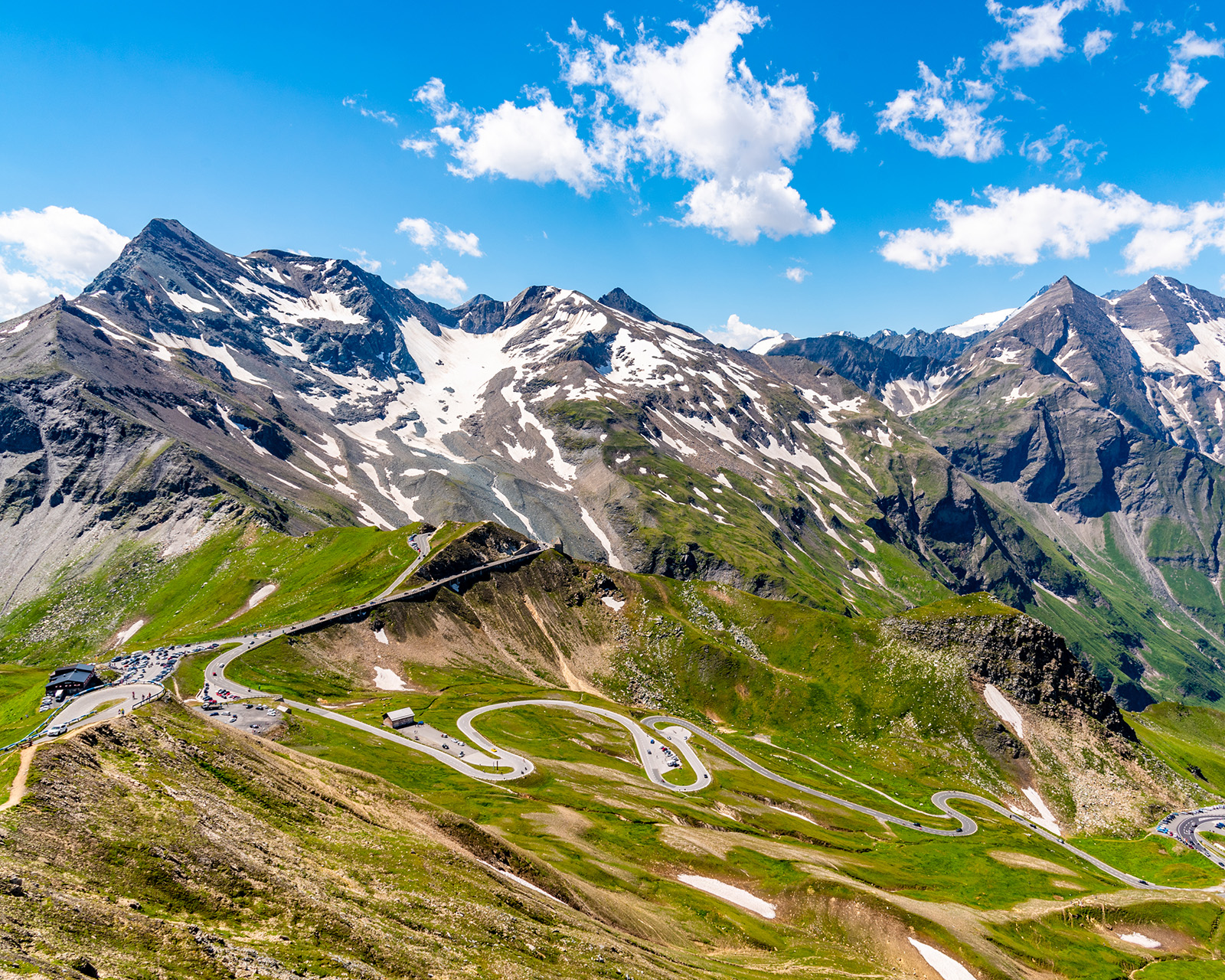
5. Take Mountain Roads Seriously
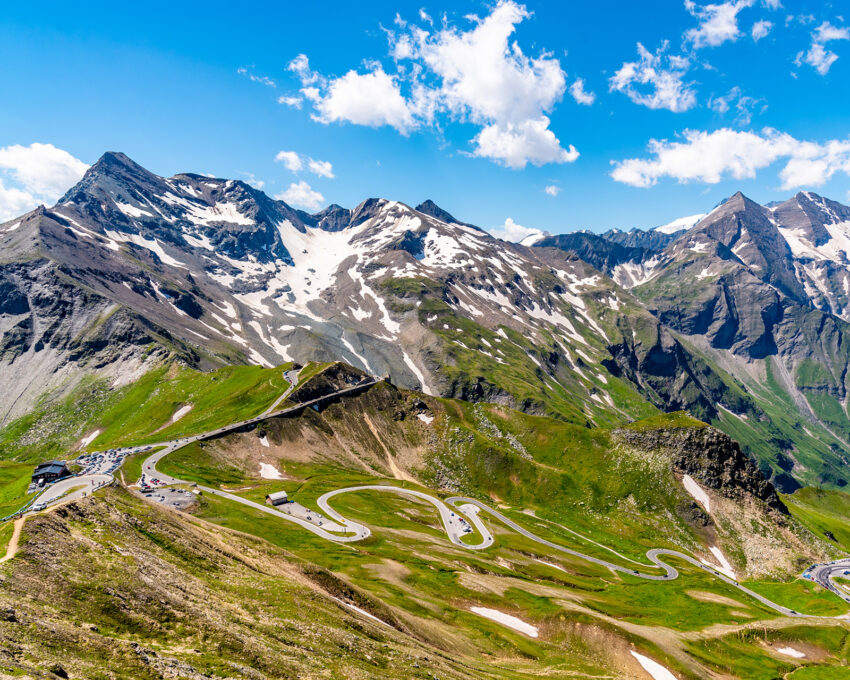
Driving in the Alps is easily one of the best parts of a road trip in Austria, but it’s also where you need to pay the most attention.
Roads can be narrow with sharp curves and steep drops, and not every section has guardrails. It’s not dangerous if you drive carefully, but it’s definitely not the place to rush.
The weather is another factor. Especially in higher areas, it can change quickly, going from clear skies to fog within minutes.
Take your time, use lower gears when driving downhill, and don’t feel pressured by locals who know the roads better. Just let them pass when it’s safe.
6. Plan Fuel Stops in Advance
On highways, fuel is never an issue. But once you head into more rural or alpine areas, it’s a different story.
Gas stations along highways are easy to find, but prices there are usually higher than at regular stations. I always recommend avoiding them if you can and instead refueling a bit earlier in towns or just off the highway.
Outside of the highways, stations can be further apart than you expect, and some close earlier, especially in smaller towns. While self-service stations are becoming more and more common, it still varies a lot depending on the area and opening hours.
A good rule is to refuel earlier than you normally would, especially before heading into the mountains. It just makes everything more relaxed.
7. Expect Quiet Sundays
Sundays in Austria are still very traditional, especially outside of cities. Most supermarkets, retail shops, and regular stores are closed completely, which can catch you off guard.
You’ll still find open places like small supermarkets at gas stations along highways, but options in smaller towns are limited, where even cafés are often closed on Sundays. In some seasonal tourist areas, restaurants may also be closed outside of high season.
8. Take Your Time & Enjoy it
If there’s one thing I’d really recommend for a road trip in Austria, it’s this: don’t rush it.
The best parts are often the ones you didn’t plan – a random lake you suddenly pass, a viewpoint you decide to stop at, or a small village that looks too nice to just drive through. Those are usually the moments you remember the most afterwards.
Distances are short, but there’s so much to see along the way that it’s easy to underestimate how much time you’ll actually spend stopping.
The slower you go, the more you notice, and the more the country starts to feel real instead of just something you’re passing through.
Don’t see it as rushing from one place to another or ticking things off a list. A road trip in Austria works much better when you leave space for spontaneous stops, small detours, and places you didn’t plan for at all.
Check out:
16 Best & Most Famous Landmarks in Austria
14 Most Stunning Lakes in Austria You Have to See
The 15 Most Beautiful Palaces & Castles in Austria
50 Interesting Facts About Austria You Didn’t Know
12 Most Beautiful Towns & Villages in Austria (by a Local)
Like it? Pin it!
Do you want to travel like me?
Here are some of my favorite travel tips and resources:
Flights: I prefer using CheapOair to book flights. I often search for “Anywhere” to uncover the best flight deals!
Accommodation: Booking.com is my favorite site to find some great hotel deals.
Travel Insurance: There are many reasons why travel insurance is important and I never travel without one. I use the simple and flexible one from SafetyWing that protects me against unforeseen events.
Tours: I love taking tours to explore destinations like a local. My favorite website to book them in advance is GetYourGuide.
Camera Gear: I use a Nikon D5300 camera with an 18-105 mm and a 10-20 mm wide-angle lens to take my photos.